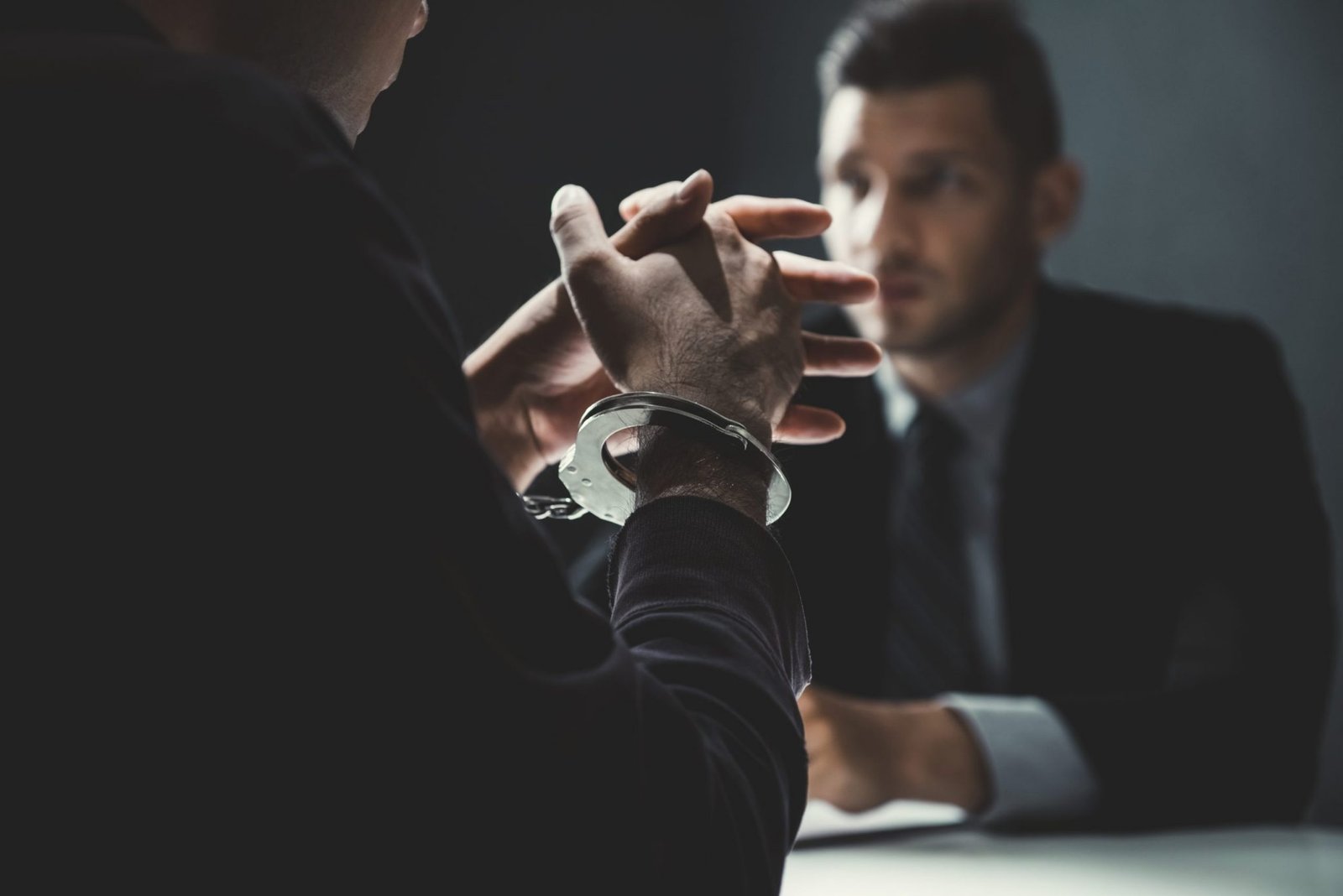
What techniques do police use in UCMJ sexual assault investigations?
Article 120 Investigations
UCMJ sexual assault or rape is one of the most serious of all crimes in the military. In fact, most military courts-martial and court-martial appeals involve Article 120 UCMJ offenses. While the military often handles less serious violations through non-judicial punishment (Article 15), letters of reprimand (GOMOR), or administrative separation, an allegation of sexual assault almost always triggers a high-stakes criminal investigation.
If you are being investigated for sexual assault in the military, your life is being turned upside down. Because of Congressional pressure and the military’s internal emphasis on obtaining convictions, investigators are especially vigorous. You need an experienced military sexual assault lawyer who understands the aggressive tactics used by CID, NCIS, and OSI.
How the Military Investigates Article 120
The standard to arrest or “apprehend” a service member is probable cause—a much lower bar than the “beyond a reasonable doubt” required for a conviction. To clear that bar, investigators use high-pressure techniques, including:
Intense interrogation of a suspect.
Making false representations to a suspect (lying about evidence they “already have”).
Secretly recording “pretext” phone calls between a suspect and the alleged victim.
Texting a suspect from the alleged victim’s phone to elicit an incriminating response.
Critical FAQs: Protecting Your Rights During an Investigation
When law enforcement identifies you as a suspect, they are not looking for the “truth”—they are looking for evidence to support a charge. Here are the answers to the most common questions service members have:
Should I talk to CID, NCIS, or OSI without a lawyer? No. Never. Investigators often tell suspects that “this is your chance to tell your side of the story” or that they can “clear this up right now.” In reality, anything you say—even if you are innocent—can be twisted, taken out of context, or used to find inconsistencies that make you look like a liar. You have a right to remain silent and a right to an attorney. Use them.
What are my rights if I’m suspected of a crime but haven’t been charged? Under Article 31, UCMJ, you have the right to be informed of the nature of the accusation against you and the right to remain silent. You also have the right to consult with a civilian military defense counsel. Just because you haven’t been “charged” doesn’t mean you aren’t in danger. The investigation phase is when the most damage is done to a defense.
Can military CID search my iPhone without a passcode? In many cases, yes. While they cannot force you to provide your passcode (as this may be considered testimonial and protected by the 5th Amendment/Article 31), they have sophisticated forensic tools like Cellebrite that can bypass security on many devices. Furthermore, if they obtain a search authorization (the military version of a warrant), they can seize the phone and keep it for months while they attempt to break into it. DO NOT BRING YOUR CELL PHONE INTO THE POLICE STATION WITH YOU WHEN DIRECTED BY THE COMMAND TO SUBMIT TO AN INTERVIEW AT CID. Keep it at home or locked in your car.
Do I have to consent to a command-directed search of my cell phone? No. You should never “consent” to a search. If your commander or an investigator asks for permission to search your phone, they are asking because they might not have enough probable cause to get a search authorization. If they have a valid warrant (search authorization), they will search it regardless of your consent. By refusing to consent, you preserve your lawyer’s ability to challenge the legality of the search later in court.
Can law enforcement use my Snapchat or Facebook data against me in the military? Absolutely. Investigators routinely request “preservation orders” for social media accounts. Even “disappearing” messages on Snapchat can often be recovered via forensic imaging of your phone or the recipient’s phone. Screenshots, GPS metadata from photos, and private messages are frequently used as primary evidence in Article 120 cases.
Can I hire a private investigator for my military case? Yes, and you should. Military investigators (CID/NCIS/OSI) work for the government; they are not looking for evidence that clears you. An experienced civilian defense attorney like Peter Kageleiry, Jr. often employs private investigators to interview witnesses, gather surveillance footage, and find the evidence the government ignored.
Protect Your Future
A suspect may be unaware they are being targeted until they are called in for a “voluntary” interview. Do not be fooled. Law enforcement investigators have no authority to make promises or “help you out.”
Proactively seeking legal assistance is the only way to level the playing field. Before you speak to anyone or hand over your phone, contact Military Sexual Assault Lawyer Peter Kageleiry, Jr. immediately to begin preparing your defense and protecting your career. If you are under investigation, contact us today at +(757) 504-2815 or fill out our contact form.